For decades, we've told people in addiction that their brain was hijacked by pleasure. That drugs felt too good, and the problem was simply learning to resist that feeling. Willpower, discipline, moral character: these were framed as the cure. If you could just want it badly enough, you'd stop.
A sweeping new study from researchers at Hebrew University, published this month in Neuroscience & Biobehavioral Reviews, upends that story entirely. And if you've ever struggled to explain addiction (to yourself, to a family member, or to a skeptical employer), this research gives you better language. Because it turns out the brain isn't chasing pleasure at all. It's chasing survival.
The Science: Dopamine Is an Energy Manager, Not a Pleasure Machine
Here's what we thought we knew: dopamine floods the brain during pleasurable activities (eating, sex, drugs), and that flood is what drives motivation and addiction. The more dopamine, the more "reward," and drugs simply trigger an artificially massive surge that overwhelms the system.
But the Hebrew University research proposes a fundamentally different framework. Led by Matan Cohen and Professor Shir Atzil, the team examined why the same dopamine and opioid systems are active during pleasure and also during stress, pain, immune responses, and metabolic regulation, processes that have nothing to do with feeling good.
Their conclusion: dopamine and endogenous opioids aren't pleasure molecules. They're physiological regulators of energy. Dopamine upregulates the body's physiological state: it mobilizes energy. Endogenous opioids downregulate it: they conserve and calm. Together, these two systems work like a thermostat, constantly calibrating the body's energy budget to keep you alive and functioning efficiently.
The "reward" you feel? That's a byproduct of metabolic efficiency, not a goal in itself. When the brain is running well, when its energy systems are balanced, we experience that as wellbeing, motivation, and pleasure. But the brain isn't trying to feel good. It's trying to survive.
This distinction matters enormously.
Why This Changes Everything About Addiction
If addiction were simply about chasing pleasure, then the solution would always be to choose a different pleasure. Go for a run instead. Call a friend. Eat some chocolate.
But if addiction is a disruption in the brain's energy regulation systems (its most fundamental mechanism for staying alive), then the stakes are completely different. And the response needs to be completely different too.
Think about what happens in active addiction at the neurological level. Chronic drug use dysregulates dopamine and endogenous opioid signaling. The brain's ability to efficiently manage its own energy state becomes impaired. Over time, natural activities stop generating the metabolic signal the brain needs. Not because they're not pleasurable enough, but because the system that reads those signals has been recalibrated around the substance.
This is why people in active addiction often describe profound flatness alongside craving: an inability to feel anything from the things that used to work. That's not boredom or weakness. The brain's energy-regulation machinery has been rewired, and it can no longer process ordinary signals as sufficient input.
I've been saying for thirty years that addiction isn't about moral failure. This research gives us a deeper understanding of why. The person doesn't lack the character to resist pleasure. Their brain's fundamental survival mechanism, the system that tells it how to manage energy, stress, threat, and recovery, has been profoundly altered.
That's a medical reality. And it deserves medical treatment.
(For a closer look at how neuroscience is rewriting the addiction narrative, see our earlier post: Addiction Isn't About the Drug — A New Study Proves It.)
The Broader Picture: Why This Framework Matters for Recovery
The new framework also helps explain why addiction overlaps so heavily with other conditions. Depression, anxiety, chronic pain, metabolic disorders, PTSD: all of these involve dysregulated energy management in the brain. The research suggests these may share common neural roots with addiction, which is consistent with what clinicians see every day in treatment settings.
This is also why nutritional support matters more than many people realize. The brain's energy-regulating systems don't run on willpower. They run on raw materials: amino acid precursors to dopamine and serotonin, B vitamins for neurotransmitter synthesis, magnesium for receptor function, omega-3 fatty acids for neuronal membrane health. When those building blocks are depleted, as they commonly are in people who have experienced long-term substance use, the system doesn't just need therapy. It needs fuel.
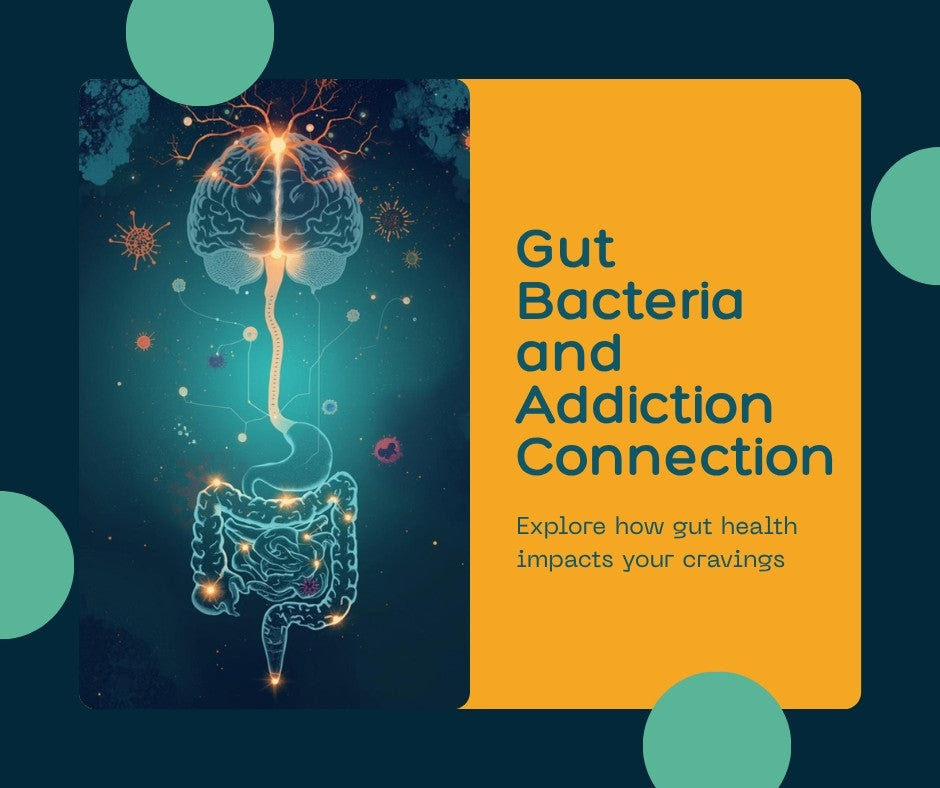
The gut-brain axis also plays a significant role here. Emerging research shows that the microbiome influences neurotransmitter production and dopamine signaling in ways we're only beginning to understand, which is one more reason why whole-body support in recovery is not optional. (Read more: Your Gut Bacteria May Be Fueling Your Addiction.)
Recovery isn't about disciplining an overactive pleasure system. It's about rebuilding an energy-management system that was running on fumes. We've written about this in depth: Healing the Addicted Brain With Neuronutrients.
What This Means for You
1. The shame narrative is scientifically wrong. This research adds to a growing body of evidence that addiction targets the brain's survival systems, not character flaws. Sharing this framework with loved ones (or internalizing it yourself) can be a powerful tool against the shame that derails recovery.
2. Flat affect and anhedonia in early recovery are physiological, not personal. If nothing feels good in the first months of recovery, that's your brain's energy-regulation system slowly recalibrating. It's not evidence that life will never feel meaningful again. It's a healing process.
3. Nutritional support is brain support. If dopamine is an energy-management molecule, then the nutrients that support dopamine synthesis (L-tyrosine, L-phenylalanine, vitamin B6, magnesium) aren't supplements for "optimizing performance." They're foundational support for a system that is actively trying to recover. Our Brain Focus Nootropic Formula is specifically formulated around these dopamine and neurotransmitter precursors, and Magnesium Glycinate provides the highly bioavailable form of magnesium most relevant to receptor function and neurological recovery.
4. Integrated treatment makes sense. The overlap between addiction and metabolic, mood, and pain disorders isn't coincidence. It's biology. Treatment approaches that address the whole metabolic picture, not just the substance use, are aligned with where the science is going. 5-HTP, a direct serotonin precursor, and our Complete Multivitamin, which provides the full B-vitamin complex critical for neurotransmitter synthesis, are both designed with this integrated approach in mind.
The brain doesn't want to feel good. The brain wants to survive. And in recovery, we're not asking it to give up pleasure. We're giving it back the tools it needs to do its most essential job.
That's not a moral story. It never was. It's biology. And biology can heal.
Dr. Drew Edwards, EdD, MS, is a clinician, researcher, and addiction specialist with over 30 years of experience in the field. He is a co-founder of Action Potential Supplements, which develops science-based nutritional support for brain health and recovery.
Hero image created with AI-assisted design tools.